
How to Choose the Perfect Light Fixture for Your Home


Understanding Your Space
When choosing the perfect light fixture for your home, the first step is to understand the space where the fixture will be installed. Consider the size of the room, ceiling height, and existing decor. A large chandelier might overwhelm a small room, while a tiny fixture could get lost in a spacious area.
Take note of the room's function. For instance, a kitchen requires bright, focused lighting, while a living room might benefit from softer, ambient light. Understanding the purpose of the space will guide your choice in selecting the right fixture.
Consider the Style
Your light fixture should complement the style of your home. Whether you have a modern, traditional, or eclectic style, there are fixtures available to match. Look for designs that enhance the existing elements and create a cohesive look throughout your home.
For a modern home, sleek and minimalistic designs in chrome or black finishes are popular, whereas a vintage-style home might benefit from fixtures with intricate details and warm brass finishes.
Choosing the Right Size
The size of the light fixture can significantly impact the overall appearance of a room. A general rule of thumb is to add the dimensions of the room (in feet) to get the ideal diameter of a light fixture (in inches). For example, a room that is 10 feet by 12 feet might require a fixture that is around 22 inches in diameter.

Layering Your Lighting
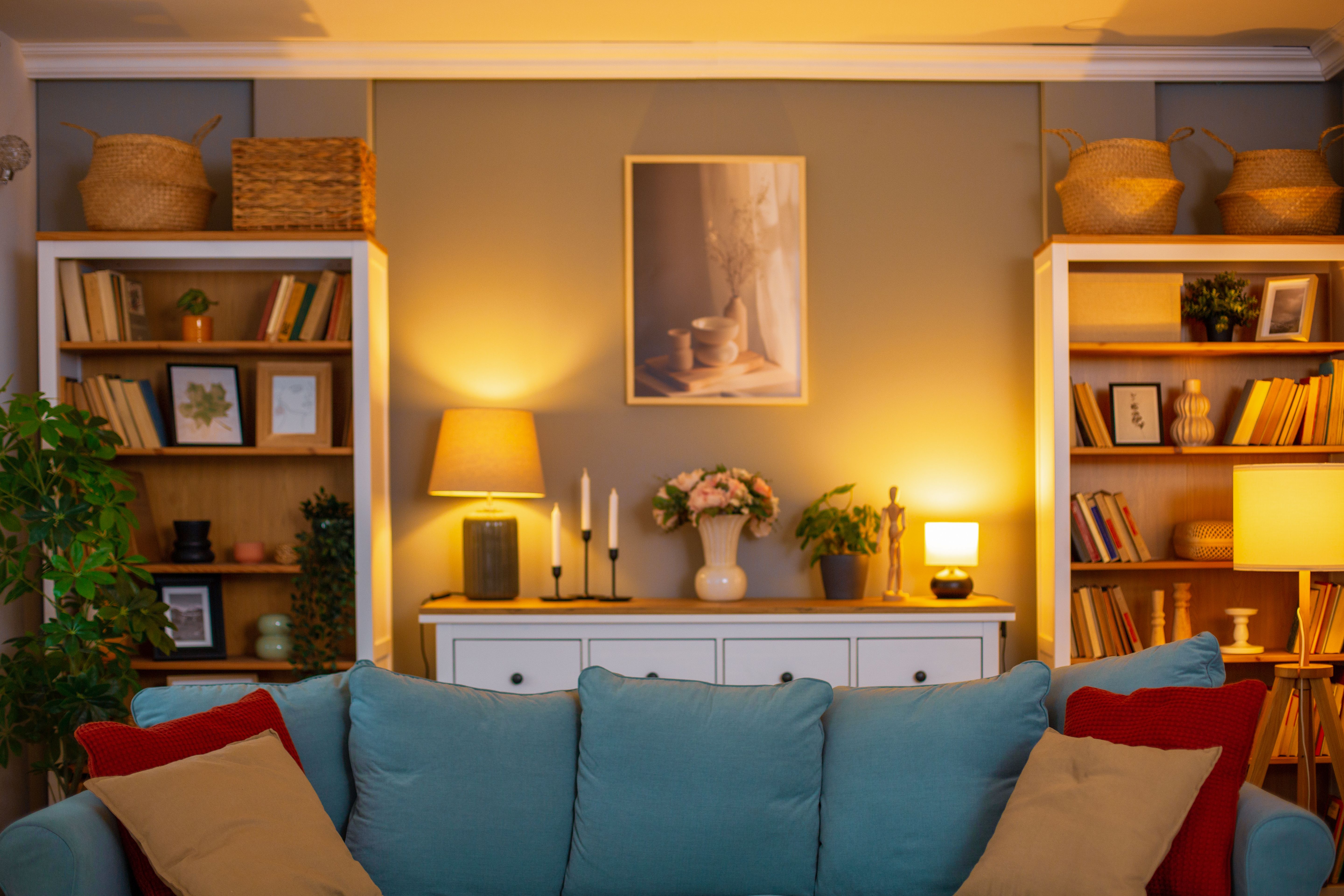
Layering lighting is an essential aspect of creating a balanced and functional space. This involves combining different types of lighting such as ambient, task, and accent lighting. Ambient lighting provides general illumination, task lighting is specific to activities like reading or cooking, and accent lighting highlights architectural features or artwork.
Consider using a combination of overhead fixtures, table lamps, and wall sconces to achieve a layered effect.
Energy Efficiency
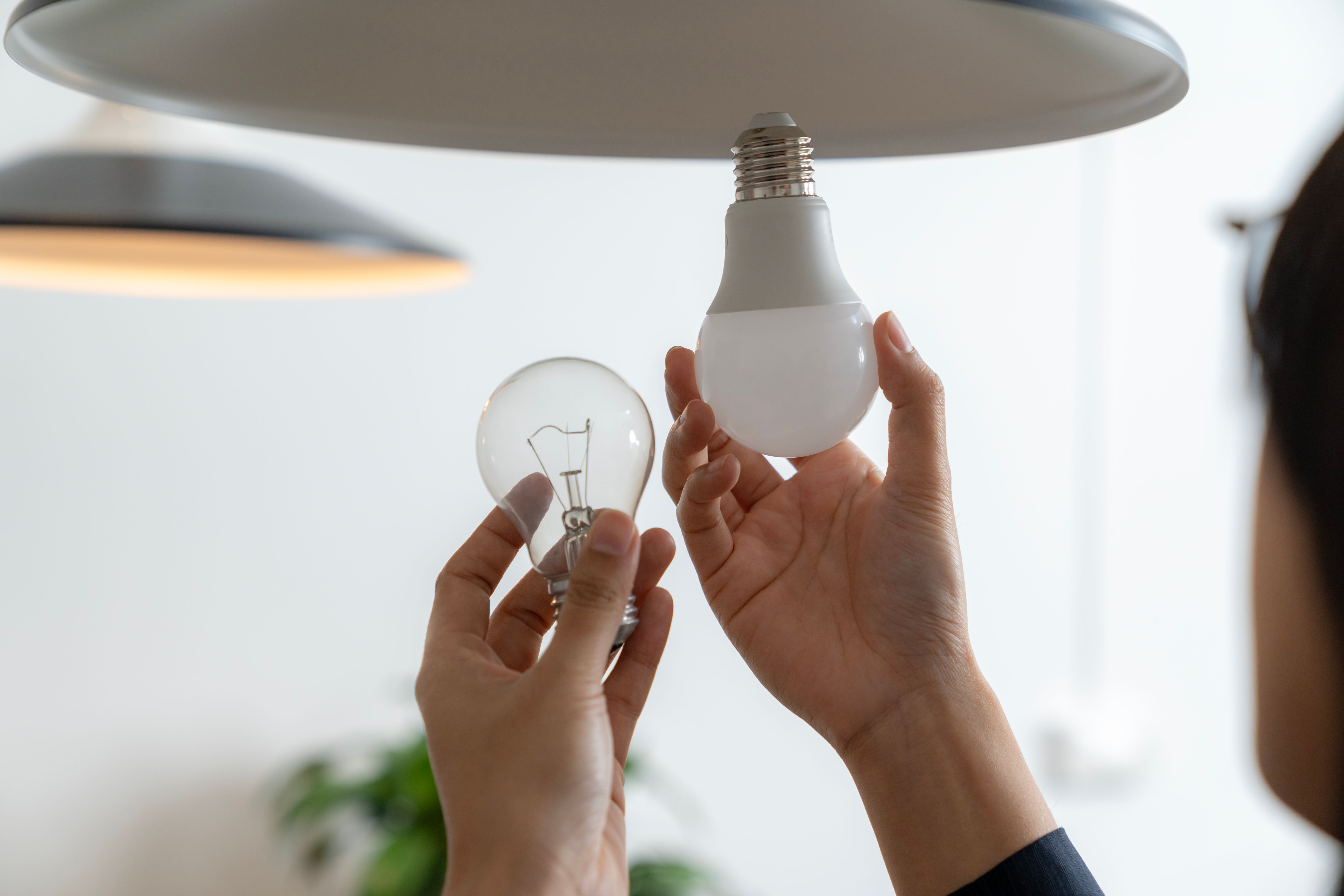
Energy-efficient lighting is both environmentally friendly and cost-effective. Look for fixtures compatible with LED bulbs, which use significantly less energy and have a longer lifespan compared to traditional bulbs. Additionally, many LED fixtures offer adjustable brightness levels, adding flexibility to your lighting design.
Installation and Maintenance
Before purchasing a light fixture, consider the installation requirements. Some fixtures might require professional installation, especially if they are heavy or complex. Always factor in the cost of installation when budgeting for your new fixture.
Maintenance is another consideration. Opt for fixtures that are easy to clean and have readily available replacement parts or bulbs. This will ensure your fixture remains in top condition for years to come.
Budget Considerations
Setting a budget is crucial when selecting a light fixture. Prices can vary widely based on design, materials, and brand. Determine how much you're willing to spend and explore options within that range, ensuring you don’t compromise on quality.
Consider investing in a statement piece for a main area of your home, while opting for more budget-friendly options in less prominent spaces.

Conclusion
Choosing the perfect light fixture involves a careful balance of style, function, and budget. By considering the specifics of your space, understanding the need for layered lighting, and focusing on energy efficiency, you can find a fixture that enhances your home’s beauty and functionality.
Remember, the right light fixture not only illuminates but also elevates the aesthetic of your home, creating a warm and inviting atmosphere for all who enter.